
If you’ve been following the automotive sector over the past few years, you already know that the shift toward Electric Vehicles (EVs) isn’t just about changing engines—it’s a complete overhaul of how parts are designed, prototyped, and manufactured.
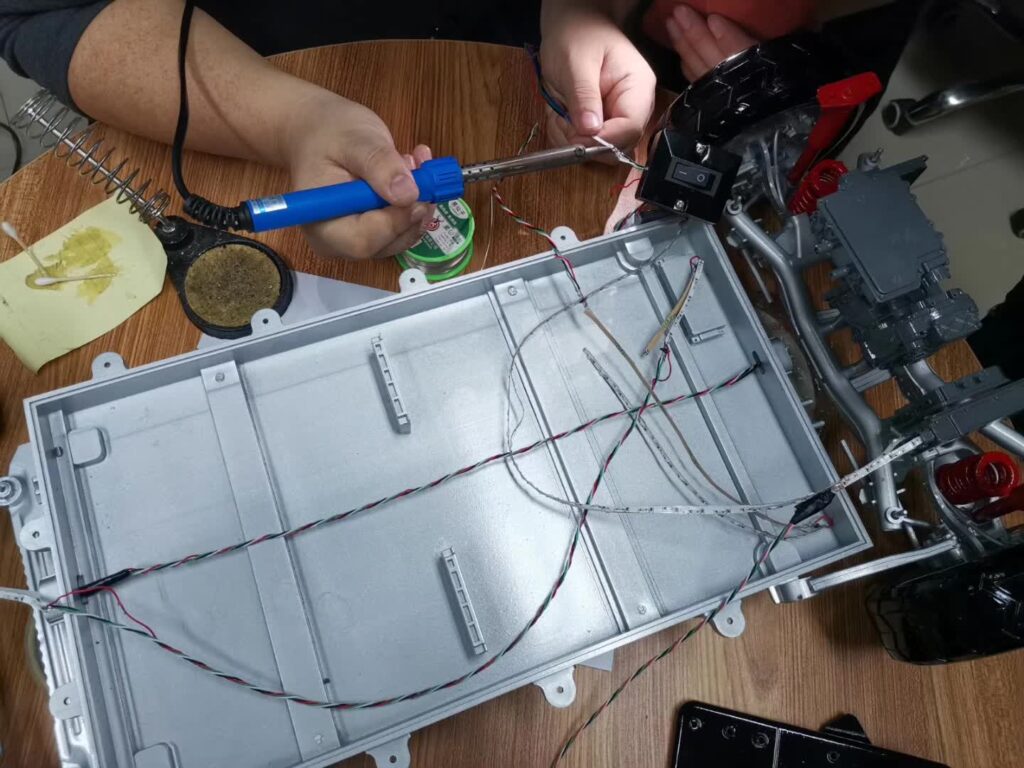
Back in 2020, when the EV transformation was gaining serious momentum, our team was approached to help develop a custom EV chassis/base model. Today, we’re sharing a look back at these 8 snapshots from that project.
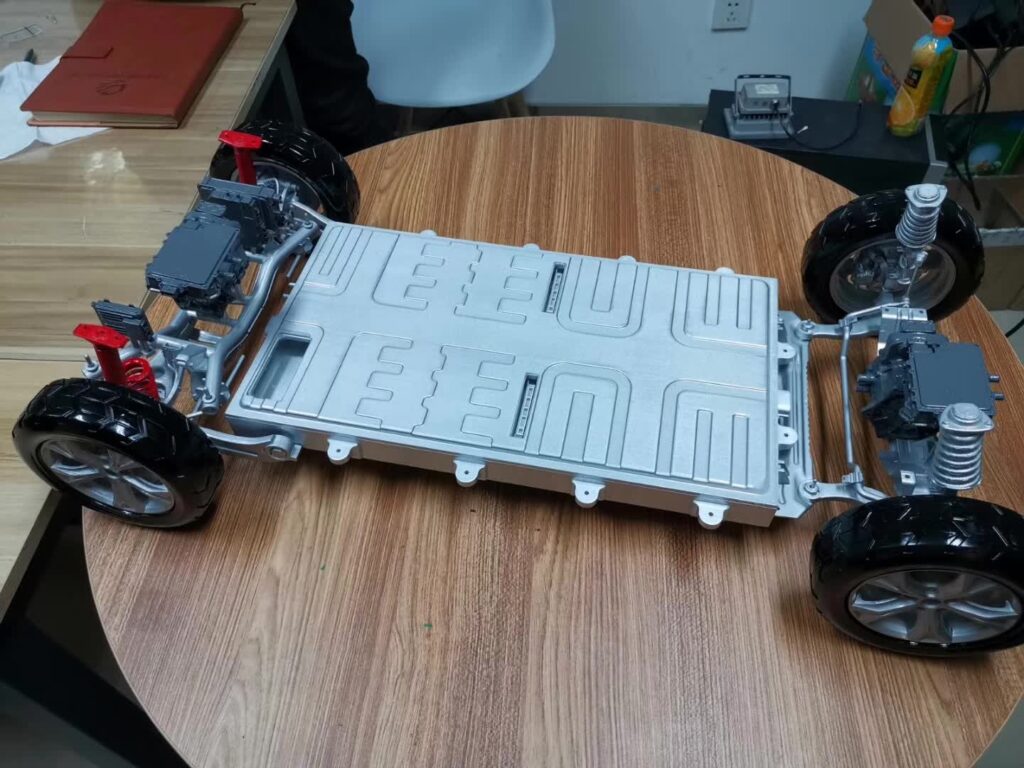
EV Chassis 3D Printing & Scanning Case Study | Automotive R&D
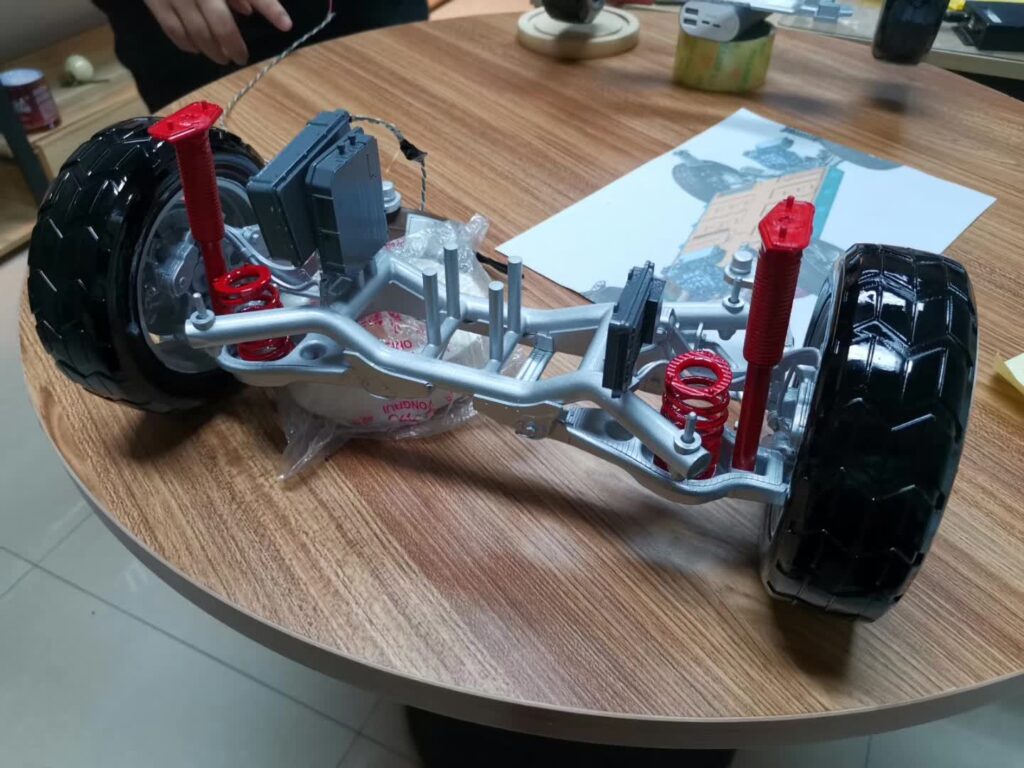
A Quick Flashback: 3D Scanning & Printing in Automotive Since 2019
We’ve been in the trenches with automotive engineers, scanning complex mechanical assemblies and additive manufacturing high-precision models since 2019.
When this EV base model landed on our workbench in 2020, traditional prototyping methods were simply too slow and rigid for the rapid iterative design the client needed. By combining high-resolution 3D scanning, precise CAD modeling, and large-format 3D printing, we helped the engineering team turn a complex digital assembly into a full-scale physical reference model in a fraction of the standard lead time.
Why Additive Manufacturing Matters for the Future of EVs
Projects like this highlight a bigger shift in automotive engineering: 3D printing isn’t just a fast prototyping tool—it’s a driver for sustainability and efficiency.
Accelerated R&D Cycles: Physical fit-checks and structural validations happen in days, not months, getting innovative EV platforms to market faster.
Lightweighting & Material Efficiency: Additive manufacturing enables complex lattice structures and organic geometries that cut weight, directly improving battery range and vehicle performance.
Reducing Carbon Footprint: On-demand digital inventory and localized short-run production drastically reduce material waste and supply chain emissions.
Partner with Us on Your Next Automotive or Industrial Project
Whether you need to reverse engineer a legacy automotive part, run a 3D scan fit-check on a prototype chassis, or print complex structural models to speed up your R&D pipeline, our engineering team has been delivering real-world solutions since 2019.