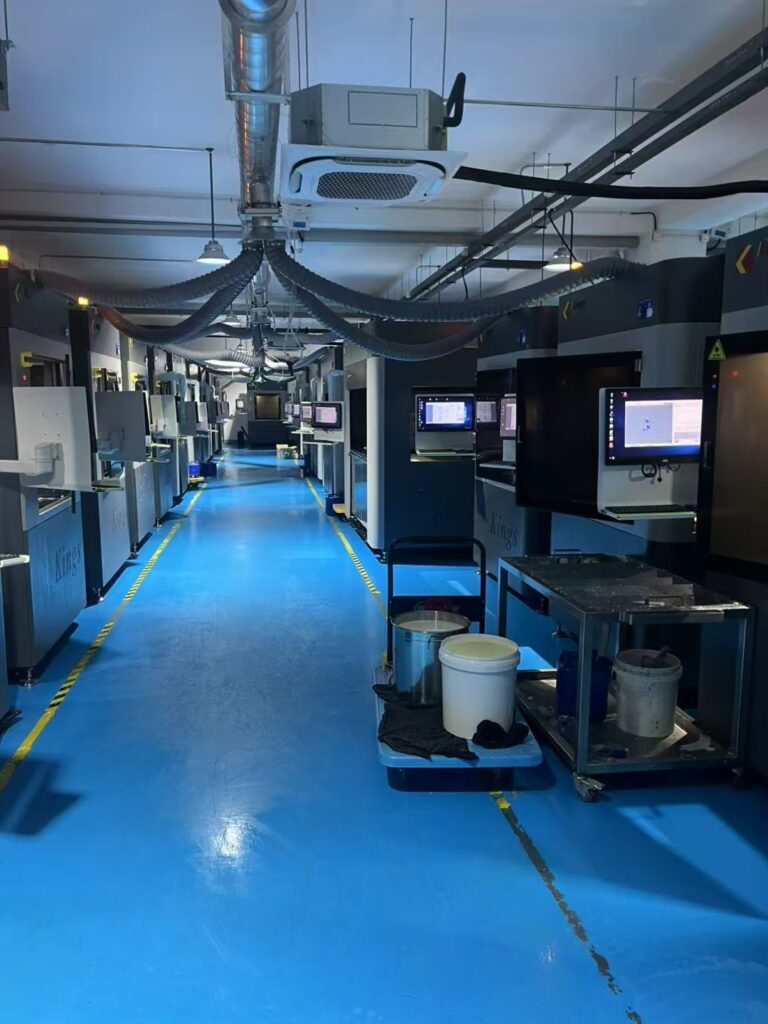
In modern industrial engineering, product development, and innovation design, the invisibility of internal mechanisms has long been a bottleneck. Whether you are conducting assembly verification for complex mechanical components, fluid dynamics analysis for medical devices, or structural testing for aerospace parts, traditional manufacturing often hides the most critical functional areas under a solid, opaque enclosure.
However, advanced additive manufacturing (3D printing) is completely changing the game. By turning “invisible” internal geometries into clear, observable, and physical realities, engineering teams can now streamline communication, de-risk projects early, and unleash full design freedom.
- The Cost of the “Invisible”: Hidden Risks in Traditional Prototyping
Before the widespread adoption of transparent 3D printing and reverse engineering, validating internal features relied heavily on 2D drawings, virtual CAD software simulations, or costly injection mold tooling. This traditional approach comes with significant, hidden engineering costs:
Delayed Design Verification: Internal interference or alignment issues are often discovered late in the tooling or pilot production phase, where ECOs (Engineering Change Orders) become prohibitively expensive.
Communication Bottlenecks: Explaining intricate internal cavities, conformal cooling channels, or moving parts to cross-functional teams, clients, or non-technical stakeholders via a 2D screen easily leads to misinterpretation.
Suppressed Design Innovation: High-performance features like lightweight topology optimization or complex bio-inspired structures are frequently over-simplified due to traditional manufacturing constraints.
These invisible bottlenecks quietly prolong project timelines, drain R&D budgets, and can ultimately compromise the reliability of the end product.
- Advanced Multi-Material Prototyping: Bringing Internal Structures to Light
Modern 3D printing bridges the gap between virtual 3D modeling and physical reality, utilizing specialized workflows to deliver absolute visibility:
Clear Photopolymers & Precise Translucency
Using industrial-grade clear photopolymer resins combined with professional post-processing and polishing, we achieve glass-like optical clarity. More importantly, we offer selective transparency. You can choose to keep the outer housing optically clear while printing internal critical components in vibrant, solid colors to isolate and highlight functional areas.
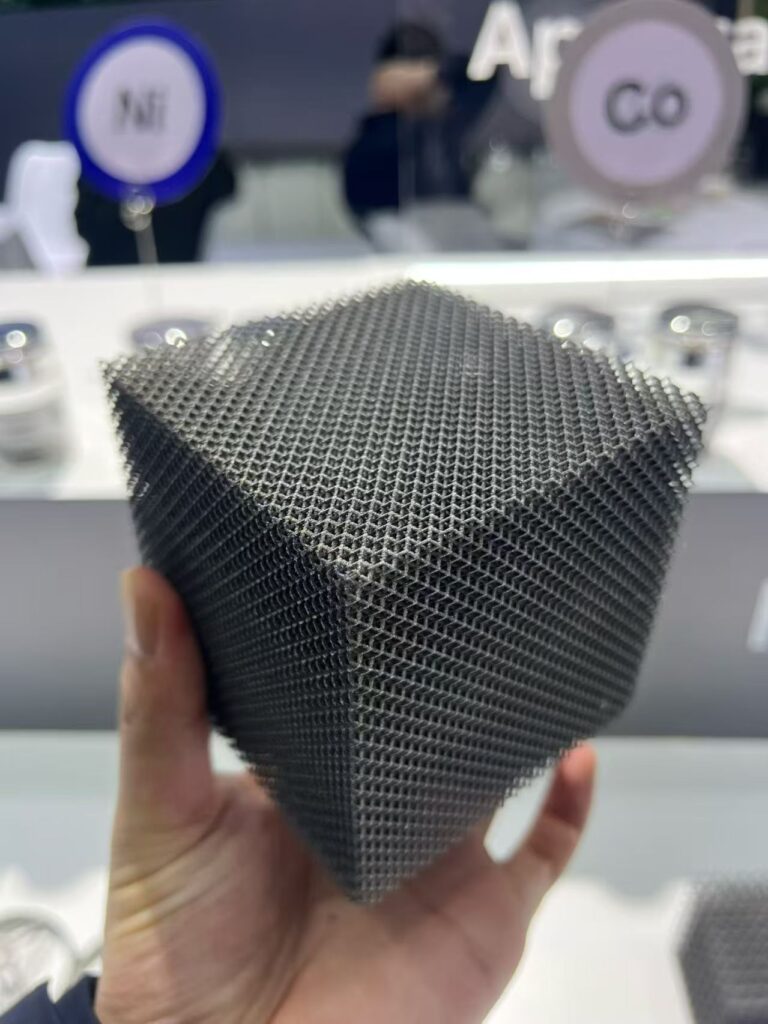
Multi-Material & Full-Color Jetting (PolyJet)
Through advanced PolyJet technology, we can jet multiple material properties simultaneously within a single build. This means you can integrate a transparent outer shell, rigid colored internal gears, and elastomeric (rubber-like) seals in one single print—capturing complex assembly relationships without tedious post-assembly.
Physical Cutaway & Section Views
Cutaway views no longer just live inside your CAD environment. We can materialize any cross-section, split view, or partial section into a tactile 3D model, bringing complex internal spatial layouts right to your fingertips.